
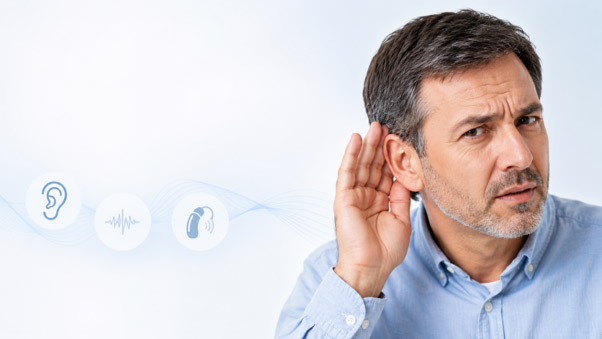
Have you recently noticed that conversations sound muffled, you keep increasing the TV volume, or people often ask you to repeat yourself? These can be early signs of hearing loss. One of the first questions many people ask is: \\\"Is hearing loss permanent?\\\"
The answer isn\\\'t always straightforward. Some types of hearing loss are temporary and can improve with the right treatment, while others are permanent but can often be managed effectively with modern hearing care solutions such as digital hearing aids or cochlear implants.
Ignoring hearing loss can affect your communication, relationships, work performance, and overall quality of life. The earlier you identify the cause, the better your chances of protecting your hearing and finding the most suitable treatment.
In this guide, you\\\'ll learn:
Whether hearing loss can be reversed
The difference between temporary and permanent hearing loss
Common causes and symptoms
How hearing loss is diagnosed
When to seek medical attention
What treatment options are available
Is Hearing Loss Permanent?
No, hearing loss is not always permanent. Temporary hearing loss caused by earwax buildup, ear infections, or fluid in the ear often improves with appropriate treatment. However, hearing loss caused by damage to the inner ear or auditory nerve (sensorineural hearing loss) is usually permanent. A hearing evaluation by a qualified audiologist is the best way to determine the cause and appropriate treatment.
Whether hearing loss is permanent depends on which part of the ear is affected and what caused the problem.
In many cases, treating the underlying cause restores hearing. For example:
Earwax removal
Treating an ear infection
Managing fluid behind the eardrum
Repairing damage to the middle ear
However, if the tiny sensory hair cells inside the cochlea or the auditory nerve are damaged, they generally do not regenerate. In such cases, hearing cannot usually be restored naturally, but hearing can often be improved significantly with hearing aids, cochlear implants, and hearing rehabilitation.
Permanent hearing loss does not always mean permanent communication problems. Early diagnosis and the right hearing solution can make a meaningful difference in daily life.
How Does Hearing Work?
Hearing occurs when sound waves travel through the outer ear, vibrate the eardrum, move the tiny bones in the middle ear, and stimulate the hair cells inside the cochlea. These hair cells convert sound into electrical signals that travel through the auditory nerve to the brain.
Step-by-Step Hearing Process
Step 1: Sound enters the ear
The outer ear collects sound waves.
Step 2: Eardrum vibrates
The eardrum moves in response to sound.
Step 3: Middle ear bones amplify sound
The three tiny bones (malleus, incus, and stapes) increase sound vibrations.
Step 4: Cochlea converts sound
Fluid movement inside the cochlea stimulates microscopic hair cells.
Step 5: Auditory nerve sends signals
Electrical impulses travel to the brain.
Step 6: Brain recognizes sound
The brain interprets these signals as speech, music, or environmental sounds.
Damage can occur at any stage of this pathway. Identifying where the problem occurs helps determine whether hearing loss may be temporary, permanent, or treatable.
Types of Hearing Loss
There are three main types of hearing loss:
Conductive hearing loss
Sensorineural hearing loss
Mixed hearing loss
Each type has different causes, treatments, and recovery outcomes.
Type | Cause | Usually Permanent? | Common Treatment |
Conductive | Earwax, infection, fluid, eardrum problems | Often No | Medication, earwax removal, surgery |
Sensorineural | Inner ear or nerve damage | Usually Yes | Hearing aids, cochlear implants, rehabilitation |
Mixed | Combination of both | Depends | Treat conductive component + hearing technology |
1. Conductive Hearing Loss
Conductive hearing loss occurs when sound cannot travel efficiently through the outer or middle ear.
Common Causes
Earwax blockage
Ear infection
Fluid in the middle ear
Hole in the eardrum
Middle ear bone disorders
Foreign objects in the ear
Recovery
Many people recover fully after appropriate medical treatment.
2. Sensorineural Hearing Loss
Sensorineural hearing loss results from damage to the inner ear (cochlea) or the auditory nerve.
Common Causes
Aging (Presbycusis)
Loud noise exposure
Genetic factors
Certain medications
Viral infections
Head injury
Recovery
This type is generally permanent because damaged hair cells in the inner ear do not regenerate. However, hearing aids and cochlear implants can improve hearing ability and communication.
3. Mixed Hearing Loss
Mixed hearing loss combines conductive and sensorineural hearing loss.
For example:
An older adult with age-related hearing loss develops an ear infection.
A person with permanent hearing loss also has earwax blockage.
Treatment focuses on resolving the conductive problem first and then addressing any remaining hearing loss with appropriate rehabilitation.
Common Causes of Hearing Loss
Hearing loss can result from infections, excessive noise exposure, aging, genetics, injuries, medications, or medical conditions. Some causes are temporary and treatable, while others may lead to permanent hearing damage.
1. Aging
Age-related hearing loss (presbycusis) is one of the most common causes.
It typically develops gradually over time and often affects both ears.
People may notice difficulty understanding speech, especially in noisy environments.
2. Loud Noise Exposure
Frequent exposure to loud sounds can damage the delicate hair cells inside the cochlea.
Examples include:
Construction work
Factory environments
Loud concerts
Fireworks
Personal music devices at high volume
Noise-related hearing loss is often permanent but largely preventable.
3. Ear Infections
Middle ear infections can temporarily reduce hearing by causing inflammation or fluid buildup.
With appropriate treatment, hearing often returns to normal.
4. Earwax Blockage
A buildup of earwax can block sound from reaching the eardrum.
Professional earwax removal often restores hearing quickly.
Avoid inserting cotton buds or other objects into the ear, as they may push wax deeper.
5. Head Injury
Trauma can damage:
The eardrum
Middle ear bones
Inner ear
Auditory nerve
Recovery depends on the severity and location of the injury.
6. Certain Medications
Some medications may affect hearing, especially when used in high doses or over long periods.
Examples include certain antibiotics, chemotherapy drugs, and loop diuretics.
Never stop prescribed medication without consulting your healthcare provider.
7. Genetics
Some people inherit hearing conditions that appear at birth or later in life.
Genetic hearing loss can range from mild to profound.
8. Sudden Sensorineural Hearing Loss (SSNHL)
Sudden hearing loss develops rapidly—often within hours or up to three days—and is considered a medical emergency.
Prompt evaluation and treatment improve the chances of recovery.
Hearing Loss Symptoms
Hearing loss often develops gradually, making it difficult to recognize early. Common symptoms include difficulty understanding speech, increasing device volume, asking others to repeat themselves, and ringing in the ears (tinnitus).
Early Warning Signs
Frequently asking people to repeat themselves
Difficulty hearing on phone calls
TV volume keeps increasing
Trouble following conversations
Speech sounds unclear
Difficulty hearing women or children\\\'s voices
Ringing in the ears (tinnitus)
Avoiding social gatherings
Feeling tired after conversations because of listening effort
Symptoms That Require Immediate Medical Attention
Seek urgent medical care if hearing loss:
Occurs suddenly
Happens after a head injury
Is accompanied by severe dizziness
Is associated with facial weakness
Is accompanied by severe ear pain or bleeding
Early treatment may improve outcomes in certain emergency conditions.
How Is Hearing Loss Diagnosed?
Hearing loss is diagnosed through a medical history, ear examination, and specialized hearing tests performed by an audiologist. These tests help identify the type, degree, and possible cause of hearing loss, allowing the most appropriate treatment plan to be recommended.
Step 1: Medical History
Your audiologist or hearing specialist may ask about:
When symptoms began
Whether one or both ears are affected
Exposure to loud noise
Ear infections
Medications
Family history of hearing loss
Associated symptoms such as tinnitus or dizziness
Step 2: Ear Examination
The healthcare professional examines the ear canal and eardrum using an otoscope to check for:
Earwax
Infection
Fluid
Eardrum damage
Foreign objects
Step 3: Hearing Tests
Common diagnostic tests include:
Pure Tone Audiometry (PTA)
Measures the softest sounds you can hear at different frequencies.
Speech Audiometry
Assess how well you understand spoken words.
Tympanometry
Evaluates eardrum movement and middle ear function.
Otoacoustic Emissions (OAE)
Check the function of the inner ear\\\'s hair cells.
Additional Tests
In some cases, imaging or other medical investigations may be recommended to identify underlying conditions.
Most hearing loss can be accurately identified through a comprehensive hearing evaluation. Early diagnosis helps guide treatment decisions and can improve long-term hearing outcomes.
Hearing Loss Treatment
The best treatment for hearing loss depends on its underlying cause. Temporary hearing loss caused by earwax, infections, or fluid in the ear may improve with medical treatment. Permanent hearing loss cannot usually be reversed, but hearing aids, cochlear implants, and hearing rehabilitation can significantly improve communication and quality of life.
How Is Hearing Loss Treated?
Treatment begins with identifying the type and cause of hearing loss. After a comprehensive hearing evaluation, your audiologist or ENT specialist will recommend the most appropriate management plan.
Treatment Options at a Glance
Cause | Can It Be Treated? | Common Treatment |
Earwax buildup | Yes | Professional earwax removal |
Ear infection | Yes | Medication prescribed by a doctor |
Fluid in the middle ear | Often | Medical treatment or monitoring |
Eardrum perforation | Sometimes | Observation or surgery |
Conductive hearing loss | Often | Medication, surgery, hearing aids if needed |
Sensorineural hearing loss | Usually not reversible | Hearing aids, cochlear implant, rehabilitation |
Mixed hearing loss | Depends | Treat conductive cause + hearing technology |
Can Hearing Loss Be Cured?
Some types of hearing loss can be cured or reversed, while others cannot. Conductive hearing loss is often treatable. Sensorineural hearing loss is generally permanent because damaged inner-ear hair cells do not naturally regenerate. Even when hearing cannot be restored, effective treatment can greatly improve hearing ability and communication.
When Hearing Can Return
Recovery is more likely if hearing loss is caused by:
Earwax blockage
Ear infection
Fluid behind the eardrum
Temporary pressure changes (such as after a flight)
Certain treatable middle-ear conditions
With timely treatment, hearing often returns fully or improves significantly.
When Hearing Loss Is Usually Permanent
Permanent hearing loss is commonly associated with:
Age-related hearing loss (presbycusis)
Long-term noise exposure
Genetic hearing disorders
Damage to the auditory nerve
Some medication-related inner-ear damage
Although these conditions usually cannot be reversed, early intervention helps preserve remaining hearing and improves communication.
Sudden Hearing Loss: Why It Is an Emergency
Sudden hearing loss should never be ignored. If hearing decreases suddenly in one or both ears over hours or a few days, seek immediate medical care. Prompt assessment and treatment may improve the chances of recovery in some cases.
Warning Signs
Contact a healthcare professional urgently if you experience:
Sudden hearing loss in one ear
A loud \\\"pop\\\" followed by reduced hearing
Ringing in the ear with sudden hearing changes
Hearing loss with severe dizziness
Hearing loss after a head injury
Early medical evaluation is important because delaying treatment may reduce the likelihood of recovery in certain conditions, including sudden sensorineural hearing loss.
Hearing Loss Recovery Timeline
Recovery depends on the cause of hearing loss. Some temporary conditions improve within days or weeks, while permanent hearing loss typically requires long-term hearing management rather than natural recovery.
Typical Recovery Timeline
Cause | Expected Recovery |
Earwax blockage | Often immediate after removal |
Mild ear infection | Several days to a few weeks |
Fluid in the middle ear | Weeks to months in some cases |
Eardrum injury | Weeks to months, depending on severity |
Sudden hearing loss | Varies; earlier treatment generally offers better chances of improvement |
Sensorineural hearing loss | Usually permanent; managed with hearing technology |
Digital Hearing Aids
Digital hearing aids do not cure hearing loss, but they amplify and process sound to improve speech understanding, listening comfort, and communication in daily life.
How Digital Hearing Aids Help
Modern hearing aids can:
Improve speech clarity
Reduce background noise
Enhance listening in conversations
Connect to smartphones and other devices
Automatically adjust to different environments
Support better participation at work and social events
Who May Benefit?
Hearing aids may be recommended for people with:
Mild hearing loss
Moderate hearing loss
Severe hearing loss (depending on the individual)
Age-related hearing loss
Noise-induced hearing loss
The most appropriate device depends on your hearing test results, lifestyle, communication needs, and professional assessment.
Hearing Aid Benefits
Improved Communication
Understanding conversations becomes easier, especially in quieter settings.
Better Quality of Life
Many people feel more confident participating in family gatherings, meetings, and social activities.
Reduced Listening Effort
Less strain is required to follow conversations throughout the day.
Better Awareness of Environmental Sounds
Users can hear important sounds such as alarms, doorbells, and traffic more clearly.
Supports Cognitive Well-being
Research suggests that addressing hearing loss may help reduce listening fatigue and support overall cognitive health as part of healthy aging.
When Is a Cochlear Implant Considered?
A cochlear implant may be recommended for people with severe to profound hearing loss who receive limited benefit from appropriately fitted hearing aids.
Who May Be Eligible?
A specialist evaluation may be considered if:
Hearing aids provide limited benefit
Speech understanding remains poor
Hearing loss is severe or profound
Medical assessment confirms suitability
Cochlear implants require evaluation by a multidisciplinary hearing care team.
Home Care Tips
Healthy habits cannot reverse permanent hearing loss, but they can help protect your remaining hearing and support overall ear health.
Daily Hearing Care Checklist
✔ Wear hearing protection in noisy environments
✔ Keep headphone volume at safe levels
✔ Avoid inserting cotton buds or sharp objects into the ear
✔ Manage chronic health conditions such as diabetes and high blood pressure
✔ Attend regular hearing check-ups if you\\\'re at higher risk
✔ Follow your healthcare professional\\\'s treatment recommendations
Lifestyle Tips for Better Hearing Health
Protect Your Ears from Loud Noise
Use earplugs or earmuffs in loud workplaces or during recreational activities with high noise levels.
Give Your Ears Time to Recover
After exposure to loud sounds, spend time in a quiet environment.
Stay Physically Active
Regular exercise supports overall cardiovascular health, which also benefits the inner ear.
Avoid Smoking
Smoking has been linked to an increased risk of hearing loss and may affect blood flow to the inner ear.
Schedule Regular Hearing Tests
Adults over 50 and anyone noticing hearing changes should consider periodic hearing evaluations, especially if they have risk factors such as long-term noise exposure.
Can Hearing Loss Be Prevented?
Not all hearing loss can be prevented, but many cases related to noise exposure and certain environmental factors can be reduced through healthy hearing habits and early intervention.
How to Prevent Hearing Loss
Use hearing protection in loud environments
Limit exposure to loud sounds
Follow the 60/60 headphone rule (listen at no more than about 60% volume for no longer than 60 minutes at a time)
Treat ear infections promptly
Avoid self-cleaning deep inside the ear canal
Attend regular hearing screenings if advised
Seek medical care for sudden hearing changes
Myths vs Facts
Myth | Fact |
All hearing loss is permanent. | Some forms are temporary and treatable. |
Hearing aids restore normal hearing. | Hearing aids improve hearing but do not cure hearing loss. |
Only older adults experience hearing loss. | Hearing loss can affect people of any age. |
If hearing loss is painless, it\\\'s not serious. | Gradual hearing loss can still significantly affect quality of life. |
Cotton buds keep ears healthy. | They can push earwax deeper and increase the risk of injury. |
Common Mistakes to Avoid
Waiting months or years before seeking help
Ignoring sudden hearing loss
Increasing TV volume instead of getting tested
Buying hearing devices without a professional assessment
Skipping follow-up appointments
Assuming hearing loss is simply a normal part of aging
When Should You See an Audiologist?
Book a hearing evaluation if you:
Frequently ask others to repeat themselves
Have difficulty understanding conversations
Notice ringing in your ears
Increase the TV or phone volume regularly
Struggle to hear in noisy environments
Have a family history of hearing loss
Have been exposed to loud noise over many years
Early evaluation helps identify problems sooner and allows treatment to begin before hearing difficulties have a greater impact on daily life.
Hearing loss is not always permanent.
Temporary hearing loss often improves when the underlying cause is treated.
Sensorineural hearing loss is usually permanent but can often be managed successfully.
Early diagnosis is essential for choosing the most appropriate treatment.
Modern hearing aids and cochlear implants can significantly improve communication and quality of life.
Sudden hearing loss requires urgent medical attention.
Conclusion
The answer to \\\"Is hearing loss permanent?\\\" depends on the cause. Some forms of hearing loss, such as those related to earwax buildup or infections, may improve with timely treatment. Others, particularly sensorineural hearing loss caused by aging, noise exposure, or inner-ear damage, are generally permanent.
The good news is that permanent hearing loss does not mean you have to live with poor communication. Advances in hearing care—including comprehensive hearing assessments, digital hearing aids, cochlear implants, and personalized rehabilitation—can help many people hear better and stay connected to family, work, and everyday life.
If you or a loved one has noticed changes in hearing, don\\\'t wait. A comprehensive hearing evaluation by a licensed audiologist can identify the cause, recommend appropriate treatment, and help protect your long-term hearing health.
Frequently Asked Questions
1. Is hearing loss always permanent?
No. Some types of hearing loss are temporary and improve after treating the underlying cause, while others are permanent and require long-term hearing management.
2. Can hearing aids cure hearing loss?
No. Hearing aids improve hearing by amplifying sounds and enhancing speech clarity, but they do not cure the underlying hearing loss.
3. How do I know if I need a hearing test?
If you frequently ask people to repeat themselves, struggle in noisy environments, or notice ringing in your ears, it\\\'s a good idea to schedule a hearing evaluation.
4. Is age-related hearing loss reversible?
Age-related hearing loss is usually permanent because it involves changes in the inner ear over time. However, hearing aids can significantly improve communication.
5. Can loud music permanently damage hearing?
Yes. Long-term exposure to loud sounds can damage the delicate hair cells in the inner ear, leading to permanent noise-induced hearing loss.
6. Can children develop hearing loss?
Yes. Hearing loss can occur at any age due to genetic conditions, infections, premature birth, or other medical factors. Early diagnosis supports speech and language development.
7. How often should adults have a hearing test?
Adults should consider a hearing evaluation if they notice hearing changes. Older adults or those exposed to loud noise may benefit from periodic hearing assessments based on professional advice.
8. Are digital hearing aids better than older hearing aids?
Modern digital hearing aids offer advanced sound processing, noise reduction, and connectivity features, helping many users hear more comfortably in different listening environments.
9. When should I visit an audiologist?
Visit an audiologist if you notice hearing changes, persistent tinnitus, difficulty understanding speech, or sudden hearing loss. Early evaluation helps identify the cause and guide appropriate treatment.
10. Can children develop hearing loss?
Yes. Hearing loss can occur at any age due to genetic conditions, infections, premature birth, or other medical factors. Early diagnosis supports speech and language development.